Tensions escalate between Canada and India over killing of outspoken Sikh leader
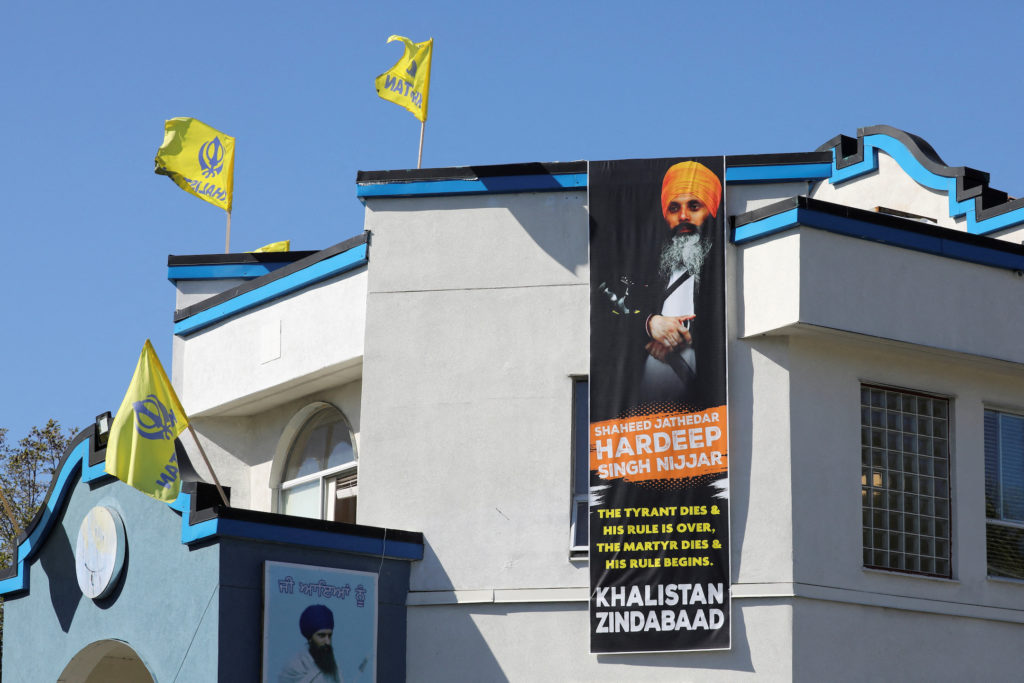
BOBBY GHOSH:
Well, I grew up in India in the 1980s, when the Khalistan movement was very much at its zenith.
And it has since then faded quite a lot. A small proportion of Sikhs in India and around the world want to see a separate, independent Sikh homeland in where the current Indian state of Punjab is. And in the '80s, this had become a very, very violent uprising, which the government of India then put down over several years. As you point out, this led to the assassination of Prime Minister Indira Gandhi.
But, in more recent years, that movement has faded away. It takes place much more in the margins, mostly in the margins of the Sikh diaspora outside of India. Within the country, the succession of Indian governments, including the Modi government, now have got a lid on the movement.
But in places like Canada, in Britain, where there are large Sikh populations, a small proportion of that population still clings on to the idea of an independent state. And Nijjar was one of those people. It would appear that he was a leader of a faction that still held on to the idea of a Sikh homeland within India.
ncG1vNJzZmivp6x7sa7SZ6arn1%2Bjsri%2Fx6isq2ejnby4e9Oepayhn6PAbrHSnJilmaSaeqOx07CcnqZdmK6vrcOaZJqmlGK2r7DImmSorpWneqy1y6Wgp59dpLNuu9Stqqmnm5q7br%2FIpJ9mpJWWsaa%2B